At our Clinic, we understand the agony that foot pain can bring. One of the common conditions we encounter is bursitis. Despite its small name, bursitis can cause discomfort and disrupt your daily activities.
What is Bursitis?
Bursae are small fluid-filled sacs that act as cushions between bones and soft tissues such as tendons and muscles. When these bursae become inflamed, it leads to bursitis. In the feet, this inflammation typically occurs around joints like the heel, big toe, or the base of your toes.
Causes of Bursitis in the Feet
Bursitis can arise from various factors, including:
Repetitive Motion: Engaging in activities that involve repetitive movements of the feet, such as running or jumping, can irritate the bursae over time.
Poor Footwear: Wearing ill-fitting shoes or those lacking proper support can put undue pressure on the feet, leading to inflammation.
Foot Deformities: Structural abnormalities like bunions or hammertoes can predispose individuals to develop bursitis.
Injury or Trauma: Direct injury or trauma to the foot can also trigger bursitis.
Understanding these causes is crucial for both prevention and treatment.
Signs and Symptoms
Identifying bursitis early is key to managing the condition effectively. Look out for the following signs and symptoms:
Pain: Typically localised to the affected area, the pain may worsen with movement or pressure.
Swelling: Inflammation around the joint or affected area.
Tenderness: The affected area may feel tender to the touch.
Limited Range of Motion: Bursitis can restrict movement in the affected joint.
If you experience any of these symptoms, seeking professional advice is essential to prevent the condition from worsening.
Treatment and Management
Fortunately, bursitis can often be managed effectively with conservative measures, including:
Rest: Giving your feet adequate rest can help reduce inflammation and allow the bursae to heal.
Ice Therapy: Applying ice packs to the affected area can alleviate pain and swelling.
Medication: Over-the-counter pain relievers and anti-inflammatory medications may be recommended to manage discomfort and inflammation.
Orthotic Devices: Custom orthotic devices or supportive footwear can help redistribute pressure and reduce friction on the affected area.
Physical Therapy: Stretching and strengthening exercises prescribed by a podiatrist or physical therapist can help improve flexibility and prevent recurrence.
Corticosteroid Injection: May be used to reduce inflammation and swelling.
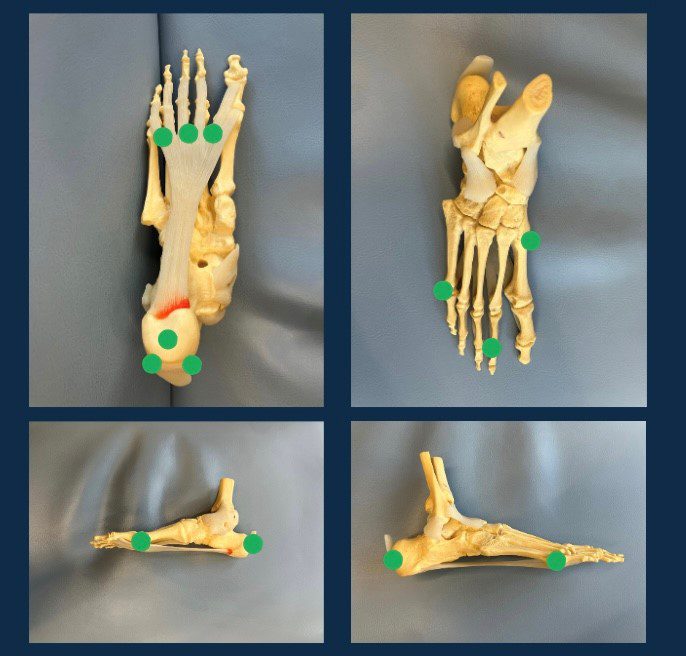
The areas in green are most commonly affected.